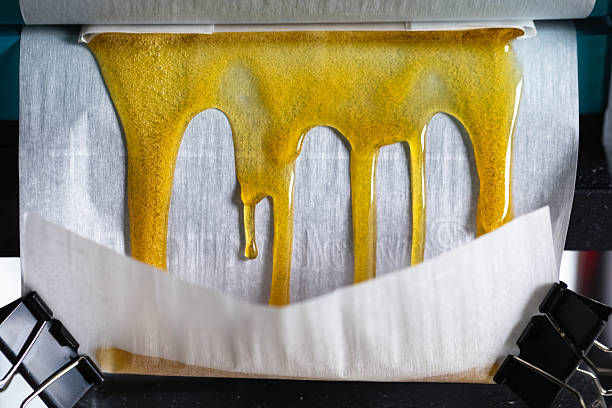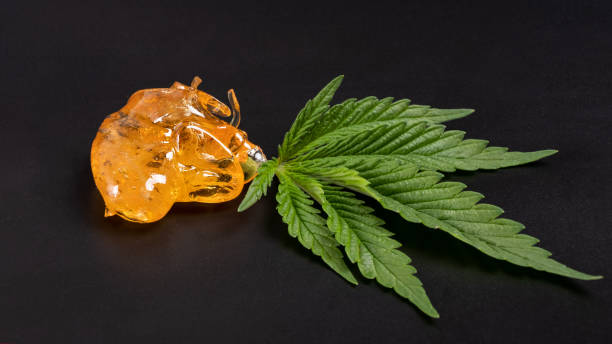
In 2025, THCa Live Rosin and THCa Live Resin represent the pinnacle of cannabis concentrates. While both utilize fresh-frozen plant material to capture the “live” essence of the flower, they diverge significantly in extraction philosophy, chemical purity, and market value.
1. Extraction Methods: Science vs. Art
- THCa Live Resin (Solvent-Based): This is a high-tech “science” approach. Fresh-frozen plants are processed in a closed-loop system using light hydrocarbon solvents like butane or propane. These solvents efficiently strip cannabinoids and terpenes from the plant. The final oil is then “purged” in a vacuum oven to remove residual chemicals.
- THCa Live Rosin (Solventless): This is an artisanal “craft” approach. It involves a two-stage mechanical process: first, making bubble hash by agitating frozen buds in ice water, then applying precise heat and pressure with a rosin press to squeeze out the resin. No chemicals are ever used.
2. Potency and The “High”
- Live Resin: Generally tests higher in raw THCa (often 80%–95%+) because solvents are more efficient at isolating cannabinoids. It typically delivers a more intense, immediate psychoactive punch.
- Live Rosin: Usually tests slightly lower (70%–85% THCa) but is prized for a superior “entourage effect”. Because it preserves the natural ratio of the plant’s compounds without chemical alteration, many connoisseurs report a deeper, more balanced, and “cleaner” experience.
3. Why Connoisseurs Prefer Live Rosin
- Unmatched Purity: For health-conscious users, the 100% solvent-free nature of rosin eliminates any concern about residual heavy metals or chemical “poisons” that can sometimes plague lower-quality resin batches.
- Authentic Flavor: While resin offers bold, “loud” flavors, live rosin provides a cleaner, “true-to-strain” terpene profile that mirrors the living plant exactly.
- Artisanal Craftsmanship: Rosin is often produced in small, handcrafted batches, appealing to those who value the “clean label” and artisanal care of the producer over mass-manufactured products.
4. Price and Throughput
The cost of live rosin is significantly higher due to its labor-intensive nature and lower yields:
- Throughput: A large-scale resin lab can process roughly 40 lbs of material per hour, whereas a rosin press might only yield 2 lbs in the same timeframe.
- Market Price: In 2025, premium Live Rosin typically retails for $50–$90+ per gram, while high-quality Live Resin is more accessible at $25–$50 per gram.
Note: For all concentrates, ensure you check the SimplyMary Lab-Testing Standards to verify that your specific batch is free from contaminants and accurately labeled for potency.