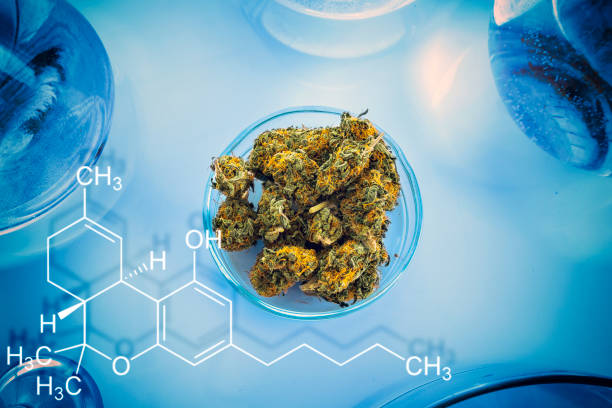
In 2025, SimplyMary maintains rigorous lab-testing standards to ensure every batch of THCa and Delta-9 THC product is safe, potent, and compliant with federal and state laws. This comprehensive process is designed to provide transparency through detailed Certificates of Analysis (COAs).
The Multi-Phase Testing Process
All products undergo a “full panel” test conducted by accredited third-party laboratories:
- Potency Analysis: Quantifies exact levels of THCa, Delta-9 THC, CBD, and other minor cannabinoids. This ensures products meet the federal 0.3% Delta-9 THC limit while confirming the total potency for consumers.
- Terpene Profiling: Identifies the specific aromatic compounds present, helping users understand the flavor profile and potential “entourage effect” of the strain.
- Contaminant Screening: Every batch is screened for harmful substances that can accumulate during cultivation or processing:
- Pesticides: Checks for over 60 common agricultural chemicals.
- Heavy Metals: Tests for lead, arsenic, cadmium, and mercury.
- Microbials: Ensures the absence of mold, mildew, yeast, E. coli, and Salmonella.
- Mycotoxins: Screens for toxins produced by certain fungi.
- Residual Solvents: For concentrates (like Live Resin), this confirms that all extraction chemicals have been properly purged.
How to Access Lab Results
SimplyMary provides direct access to these results to verify product quality before use:
- QR Codes: Most product packaging includes a QR code that, when scanned, links directly to the specific batch’s COA.
- Online Database: You can view the most recent lab results on the SimplyMary COA Page.
- Batch Matching: Always ensure the batch number on your product label matches the number on the lab report to guarantee the results apply to your specific item.
Why These Standards Matter in 2025
With the shift toward a Total THC standard in many jurisdictions in late 2025, accurate lab testing is the only way to ensure products are legally compliant. These standards also protect consumers from “potency inflation,” a common issue in the unregulated market, by providing verified, data-backed concentration levels.